
Home » KEY TO GREAT FIT START WITH ACCURATE MEASUREMENTS
importance of accuracy

The Key to Great Fit in Performance Wear Starts with Accurate Measurements
Accurate measurements are essential when creating custom dancewear. Performance wear should fit like a second skin, allowing the dancer to move with confidence, comfort, and ease.

For the best possible fit, in-person measurement appointments are available for clients in the Sioux City and Siouxland area. Virtual appointments are also available for clients outside the area who would like guided support through the measurement process.

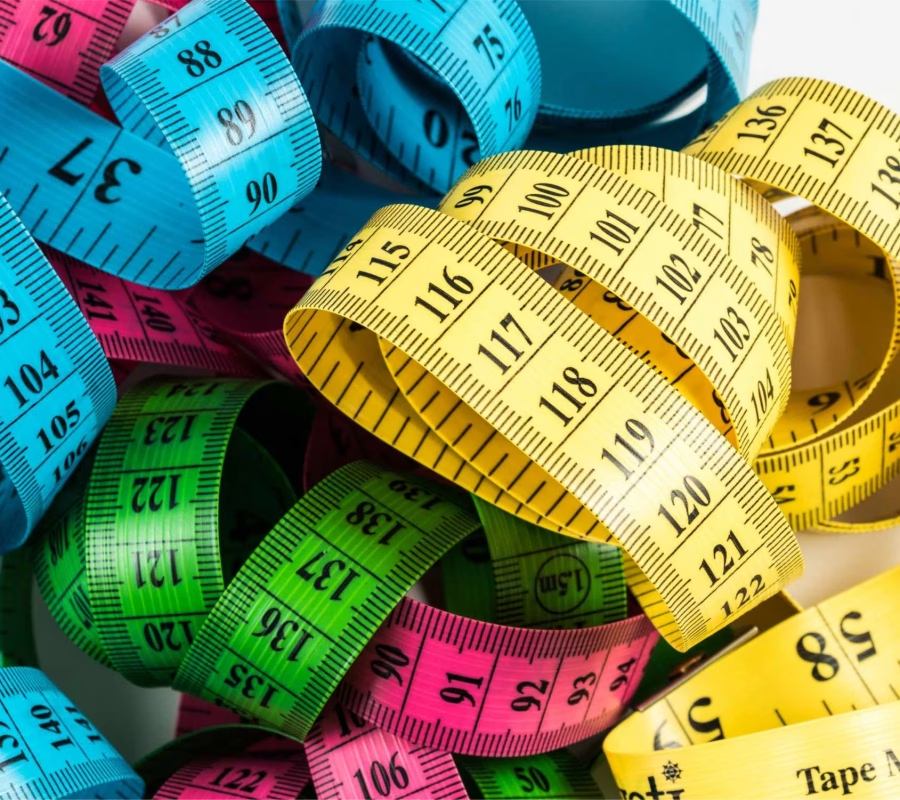
Our Philosophy - fit for movement Colorful vinyl tape measures for taking measurements

WHY FIT MATTERS

Performance wear is more than something a dancer puts on before stepping on stage. It becomes part of the movement, the presentation, and the confidence behind every performance. A well-fitted costume should feel like a second skin: secure, flexible, supportive, and ready for movement. When the fit is right, dancers can focus on the choreography, emotion, and performance – not on pulling, adjusting, or worrying about the costume. Accurate measurements help reduce avoidable alterations and give Sewn 2 Dance the strongest starting point for custom design, pattern development, construction, and final fit.

Move

Full range of motion without pulling sipping or twisting.

Support

A fit that supports the dancer, choreography and garment design.

Focus

Confidence to perform without costume distractions

 What you Need to Start

Accurate Tape

Accurate Tape Use a vinyl or plastic sewing/fashion tape measure. Avoid fabric tapes that stretch and metal hardware tapes that will not wrap the body correctly.

Trusted Helper

Do no measure yourself. A helper keeps posture natural and measurements more reliable.

Record and Review

Use the solo form, team spreadsheet or printable worksheet. Measure twice before submitting. Record in inches and to the nearest 1/8th of the inch.

Prior to Measuring Tips

  • Wear the right base layer. Wear what you normally wear under the costume: tights, a supportive non-padded bra if applicable, a fitted leotard, compression shorts, or a fitted swimsuit. Avoid bulky clothing and padding.
  • Start at zero. Make sure the tape begins at the 0 end and that you are reading the correct side of the tape.
  • Stand tall and natural. Stand with feet flat on the floor. Have dancer s stand in first position. Keep posture relaxed and natural. Wear dance shoes only when they affect length.
  • Team orders need consistency. Have one person take all measurements when possible. This reduces variation across the team
  • Keep the tape snug. The tape should sit close to the body without squeezing and without extra looseness. 
  • No twists, dips, or scooping. The tape should stay flat and level around the body unless the measurement instructions say otherwise.  
  • Report actual measurements. Do not add or subtract. If a tighter, looser, or growth-room fit is needed, note it separately.
  • Ask when unsure. Take a photo or short video showing tape placement if you have questions. It is better to review before production begins.

 helpful Measurement support  

Measurement Kit for Solo Dancers

Premium Measurement Guide
For Parent, Guardians and Solo Clients
Solo Measurement Basic and Design Specific Forms
Body Map Guide of Measurements
Measurement Definitions

Solo Measurement kit digital version dowload

solo measurement kit print friendly version download

Measurement Kit for Studio, Schools and Teams

Premium Measurement Guide Team Measurement Spreadsheets Body Map Guide of Measurements Measurement Definitions

Team Measurement Kit Digital Version Download

Team Measurement kit print friendly version download

Appointment Booking Form

Measurement support book an appointment for in person in the Siouxland area, virtual appointments available.

Measurement support book an appointment form

Figure of human body and lines to reference for taking measurements

What are the basic Measurements needed

Height:

Standing full Height from floor to top of the head.

Weight:

Current weight.  This helps evaluate stretch, support, and sizing with other measurements.

Age:

Current age of dancer for sizing and growth-room context.

Leotard/Unitard Size:

The size usually worn in fitted dancewear. This is a reference only.

Street Clothing Size: 

Normal ready-to-wear size. This is a reference only and does not replace measurements.

Girth:

Start at the top of one shoulder, go down the front, through the legs, and back up to the same shoulder in a full loop.

Chest/Bust:

Measue around the fullest part of the chest or bust. Keep the tape level across the back without dipping..

Bra size and cup size:

If applicable, provide current bra band and cup size. This helps with support coverage and bust shaping.

Waist:

Measure the natural waist, usually the smallest part of the the torso.  If unsue bend to one side; the bend point is the waist.

Hip:

Measure around fullest part of the hips and seat, not the hipbone line.  keep the the tape level.

Inseam:

Measure from the crotch area down the inside leg to the ankle or requested garment length.

Frequently Asked Questions

Have a question?
We’ve compiled answers to our most common customer inquiries below.  Explore these quick answers.

Need Help with Measurements?

Measurements are an important starting point for custom dancewear, but they are only one part of fit planning. If you are unsure what to measure, how to prepare, or whether a fitting is needed, Sewn 2 Dance can help guide the next step.