One of the first questions many dancers, parents, and studio directors ask is, “How much does a custom dance costume cost?” It is an important question. The honest answer is that the final cost depends on the project.
A custom costume is planned around the performer, routine, movement, design details, materials, fit, and deadline. A simple costume with clean lines will not require the same materials or production time as a heavily embellished design with specialty fabric, multiple pieces, and hand-applied details.
Sewn 2 Dance does not publish standard starting prices because every request is reviewed individually. Understanding the factors behind a quote can help you prepare a realistic budget and make confident design decisions.
Based in Sioux City, Iowa, Sewn 2 Dance serves dancers, studios, schools, and teams throughout Siouxland and beyond the local region.
The first consideration is what you need. A custom solo costume, coordinated duet or trio, full team order, altered garment, rhinestone service, and branded performance look each involve a different amount of planning and work.
If you are unsure which service fits your needs, that is okay. Start by sharing the garment type, number of performers, performance date, and the result you hope to achieve. Sewn 2 Dance can help you identify the most appropriate path.
A completely original costume may require concept development, silhouette planning, patternmaking, fitting preparation, and design adjustments before construction begins.
The complexity of the design affects the amount of preparation involved. A clean, streamlined costume generally requires less development than a garment with asymmetrical shapes, unusual cutouts, multiple layers, specialty support, detachable pieces, or detailed construction.
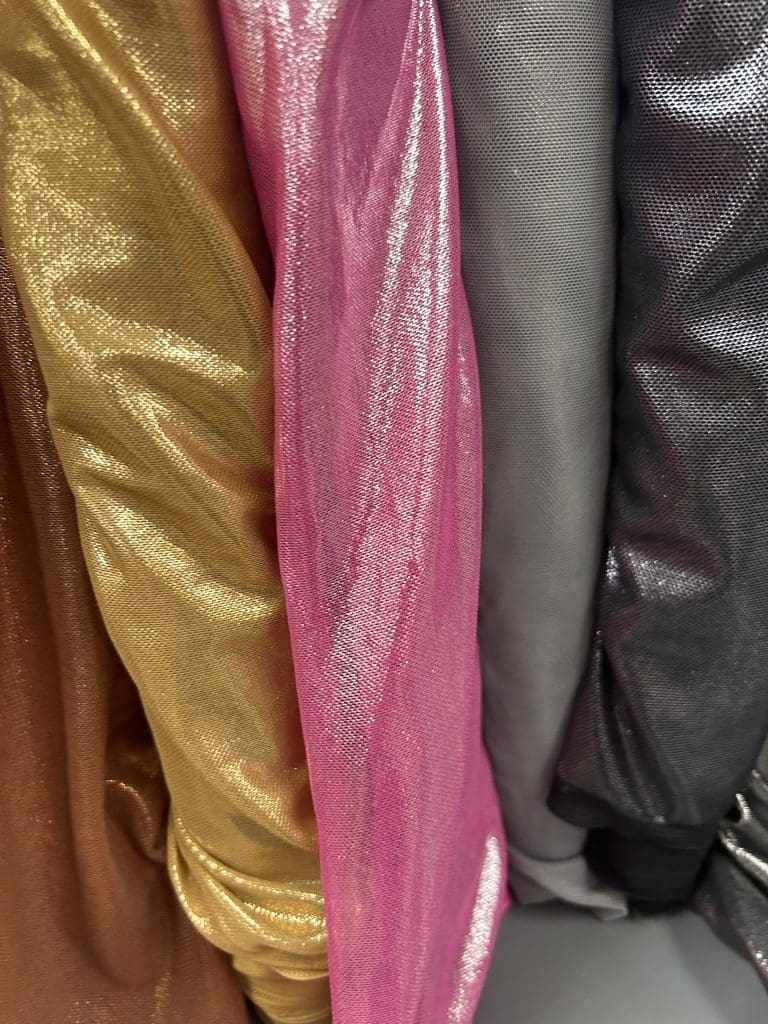
Fabric selection affects appearance, movement, comfort, durability, and cost. Stretch fabrics, mesh, lace, sequins, fringe, appliqués, specialty trims, linings, and custom colors can all influence the quote.
Some materials cost more to purchase or require additional handling during construction. Material availability may also affect the project timeline, especially when a specific color, texture, or specialty fabric must be sourced.
The number of garment pieces and construction details also matters. Sleeves, skirts, pants, shorts, overlays, attached accessories, closures, built-in support, specialty necklines, and layered designs require different amounts of labor.
Small-looking details can sometimes involve significant work. During the design process, Sewn 2 Dance can help you decide which elements are most important to the performance and where simplifying a detail may help manage the budget.
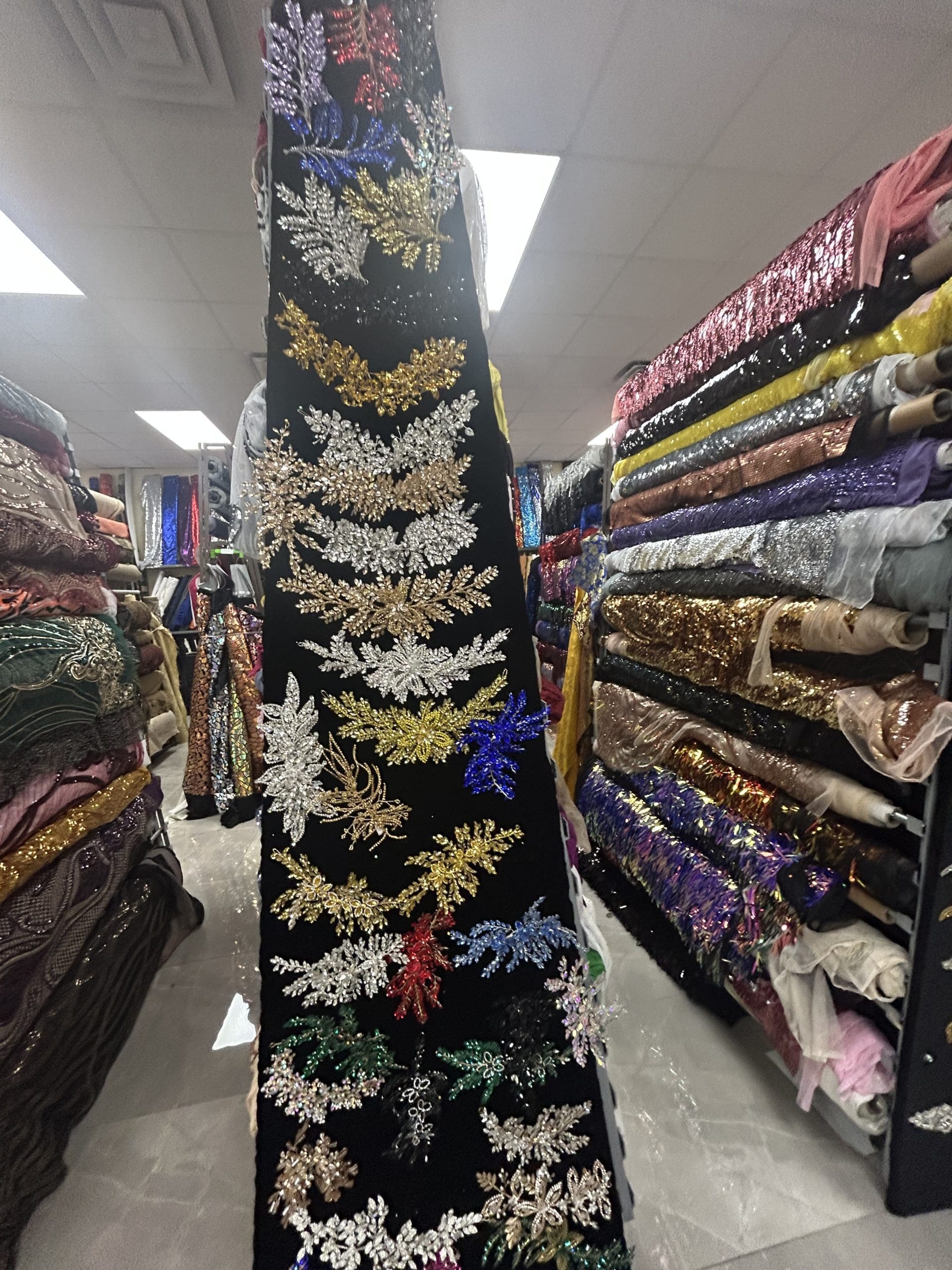
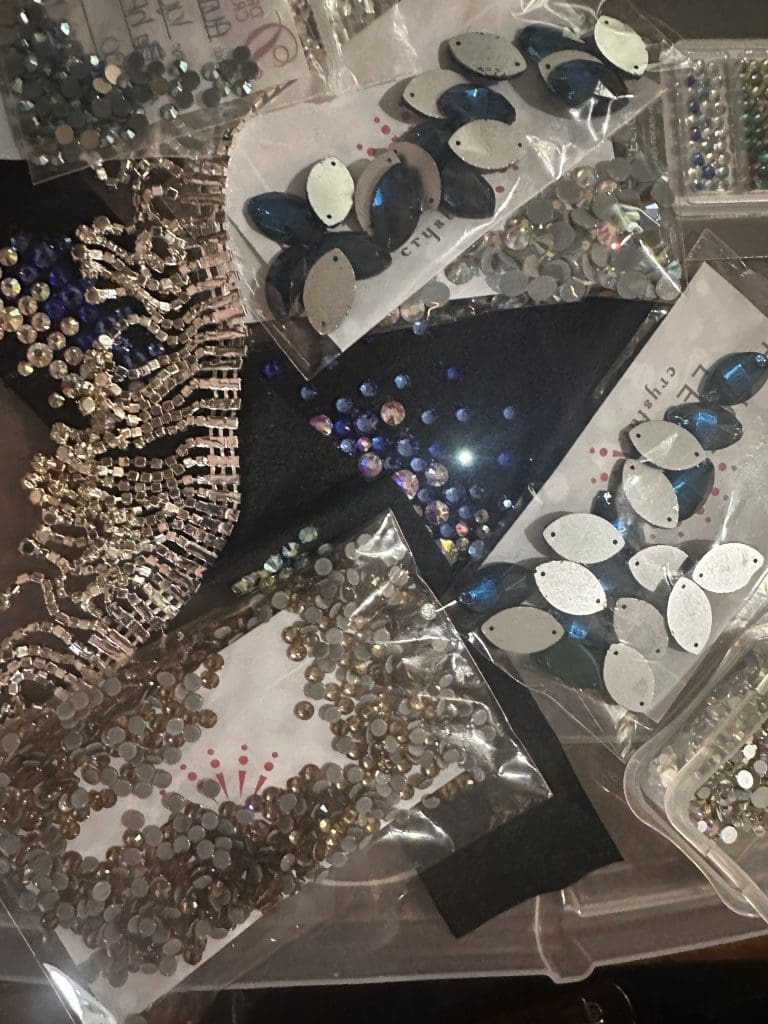
Embellishments can transform a costume under stage lighting, but the type, quantity, size, quality, pattern, and placement of those details affect both material and labor costs.
A lightly accented costume will be priced differently from a design featuring dense rhinestone coverage, hand-applied appliqués, beading, fringe, feathers, or other specialty finishing. If sparkle is important but the budget is limited, intentional placement can create visual impact without covering every area of the garment.
Custom team orders generally require a minimum of five garments using the same general design and colorway. Orders below five can still be reviewed as individual or small-group custom projects.
Orders of five to nine garments receive standard quoted pricing. For orders of 10 or more matching garments, volume pricing may be available when repeated design and production work creates meaningful efficiencies. Any volume pricing depends on the design, materials, size range, embellishments, deadline, and complete project scope; it is not automatic or guaranteed.
Accurate measurements give every custom project the strongest possible starting point. Fit requirements can vary depending on the dancer’s proportions, the garment style, the amount of support or coverage needed, growth considerations, and the movement in the routine.
Some projects may require additional fittings or adjustments. Providing complete, carefully checked measurements—and responding promptly when a fit question arises—helps reduce delays and avoid preventable alterations. Learn how to prepare accurate dancewear measurements.
Custom work takes time. The performance date, design complexity, material availability, fitting needs, number of garments, and Sewn 2 Dance’s current production schedule all affect what is possible.
Projects with flexible timelines allow more room for design development, sourcing, fittings, and finishing. Short-deadline requests must be reviewed individually, and availability cannot be guaranteed. An accepted rush project may include a rush fee based on its deadline, complexity, and current availability. Any rush fee will be disclosed and approved before work begins.
Sharing your actual competition, recital, game-day, audition, or performance date in the first inquiry helps Sewn 2 Dance evaluate the project honestly. See how the Sewn 2 Dance custom process work
A single solo costume and a coordinated team order have different planning and production needs.
Team projects involve sharing design preparation, multiple sizes, measurement coordination, consistent embellishment, production scheduling, and communication with a primary studio or team contact.
A solo project focuses closely on one performer, one design direction, and one set of fit requirements.
Team projects require a coordinated look across multiple dancers and may include additional planning for measurements, sizing, consistency, approvals, production, and delivery.
Neither path has one standard price. The quote reflects the actual design and production needs of the project—not simply whether it is labeled “solo” or “team.”
You do not need to have every detail decided before contacting Sewn 2 Dance. However, the following information makes it easier to understand your needs:
Sharing a budget does not limit creativity. It helps focus the conversation on materials and design choices that are more likely to fit both your vision and your investment.
Identify the details that matter most. This might be a particular silhouette, sleeve, color, fabric effect, rhinestone pattern, or level of coverage. Optional elements can then be evaluated around those priorities.
A similar color, fabric, trim, or embellishment approach may create the desired stage effect while better fitting the project’s budget or timeline.
Beginning early gives everyone more time to make thoughtful decisions. It can also reduce the pressure caused by limited material availability, fitting schedules, or approaching performance deadlines.
Changes to the design, quantity, measurements, or deadline may affect the quote and production plan. Early communication helps Sewn 2 Dance review the impact before work moves forward.
Have a question?
We’ve compiled answers to our most common customer inquiries below. Explore these quick answers.
Yes. Sewn 2 Dance currently offers a free initial discovery consultation to discuss the project, timeline, general needs, and possible next steps. The free consultation does not include completed sketches, patterns, detailed fabric sourcing, or other finished design work.
They can. The cost depends on the type, quality, quantity, pattern, and placement of the stones, along with the time required to apply them. Strategic placement can still create strong stage impact when full coverage is not the best fit for the project.
Team and solo projects involve different planning and production needs. Custom team orders generally require at least five matching garments. Orders of five to nine receive standard quoted pricing, while orders of 10 or more may qualify for volume pricing depending on the design, materials, size range, embellishments, deadline, and production requirements. Each request is reviewed individually.
Sometimes. If the garment is structurally suitable, alterations, repairs, or embellishments may help improve its fit or appearance. The garment’s construction, fabric, condition, existing decorations, and deadline must be reviewed before Sewn 2 Dance can determine what is possible.
The deadline can affect the quote and whether the project can be accepted. Short timelines may limit design, sourcing, fitting, or embellishment options. An accepted rush project may include a rush fee, which will be disclosed and approved before work begins.
A quote can be prepared after Sewn 2 Dance has enough information to understand the project scope. Providing the garment type, quantity, deadline, design direction, photographs, fit needs, and budget range helps make that review more accurate.
When a deposit is required, it is due by the date shown on the invoice after the proposal, project scope, and quote have been approved. Materials will not be purchased, detailed design work will not begin, and production time will not be reserved until the required deposit has been received.
Sewn 2 Dance creates performance wear with movement, fit, comfort, confidence, and stage presence in mind. A meaningful quote requires more than selecting a garment from a list. It requires understanding the performer, the purpose of the costume, the design direction, the materials, and the schedule. Individual review helps Sewn 2 Dance provide a clearer project scope and more realistic expectations before the next step. Learn more about Sewn 2 Dance custom design services.
Written by Charmaine Regino, founder of Sewn 2 Dance, with more than 45 years of sewing, alteration, embellishment, and custom-garment experience. Meet the founder.
Whether you have a complete design vision or are still exploring possibilities, Sewn 2 Dance can help you clarify the right next step. Tell us about the performer or team, your deadline, the look you want, and the budget range you are considering.
Sewn 2 Dance is based in Sioux City, Iowa, serving the Siouxland area and reviewing custom performance-wear projects by inquiry.