How Early Should You Start a Custom Dance Costume?

When a competition, recital, audition, game day, or performance is approaching, it is natural to focus on the event date. For a custom costume project, however, the most helpful question is often: How early should I begin the conversation?
The short answer is: contact Sewn 2 Dance as early as possible. You do not need to have every color, fabric, or design detail decided before reaching out. Beginning early gives more room to review the project, explore realistic options, obtain materials, coordinate measurements and fittings, and plan around the current production schedule.
Every project is different, so Sewn 2 Dance does not promise one standard turnaround time for every costume. The design, number of garments, materials, fit needs, approvals, deadline, and current availability all affect what is possible.
Start with the First Date the Costume Is Truly Needed
Your competition or performance date is important, but it may not be the first date you need the finished costume.
Consider whether the garment will also be needed for:
- Dress rehearsals
- Team or promotional photographs
- Choreography practice in the completed costume
- Travel to an out-of-town event
- A coach, studio, or school approval
- A final fitting or movement check
When submitting an inquiry, provide both the event date and the earliest non-negotiable date the costume must be ready. This helps Sewn 2 Dance evaluate the available planning and production window more accurately.
An Inquiry Is the Beginning—not a Reserved Production Date
Submitting a form starts the review process. It does not automatically guarantee that the project can be accepted or reserve time on the production calendar.
Before a custom project is ready to move into production, Sewn 2 Dance may need to confirm the scope, design direction, quantity, measurements, materials, fitting plan, approvals, and delivery expectations. When an agreement or deposit is required, the production schedule is not reserved until those requirements and the stated due date have been met.
What Can Affect a Custom Costume Timeline?
Project Type
A new custom solo costume, coordinated duet or trio, team order, branded performance look, alteration, repair, and rhinestone project each require a different process. A project involving an existing garment may still need careful inspection before the work and timeline can be confirmed.
Design Development
An original costume may require time for concept development, silhouette planning, material decisions, patternmaking, and design approval. A clear starting direction can help, but it is also fine to contact Sewn 2 Dance while ideas are still developing.
Material and Sourcing
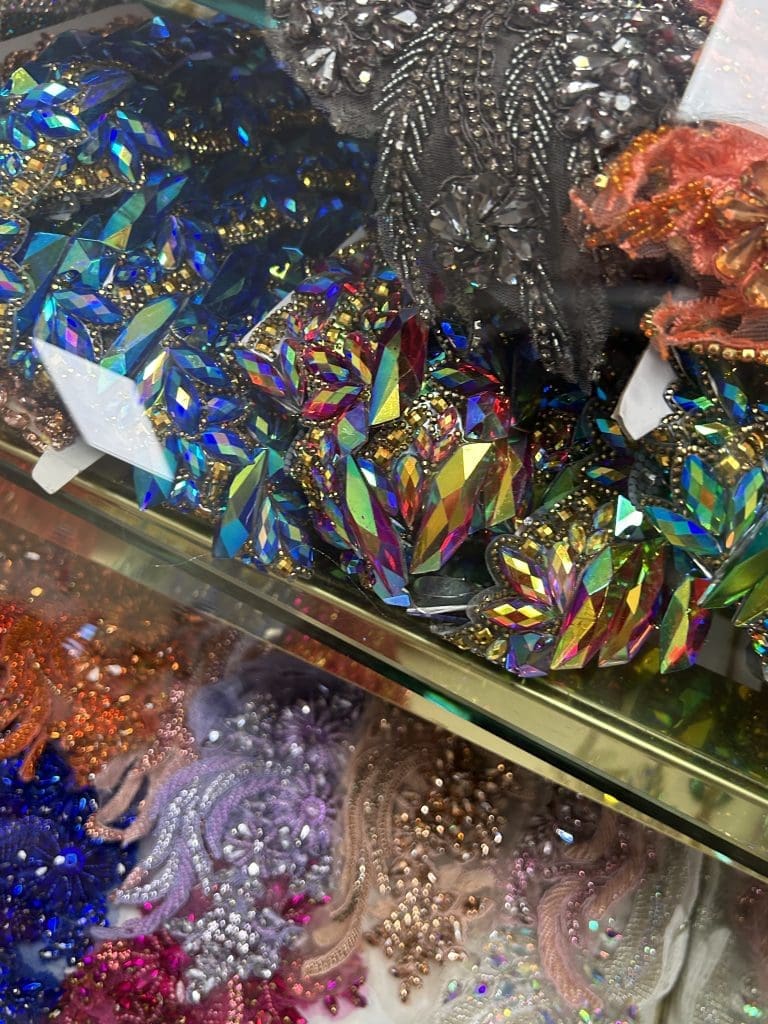
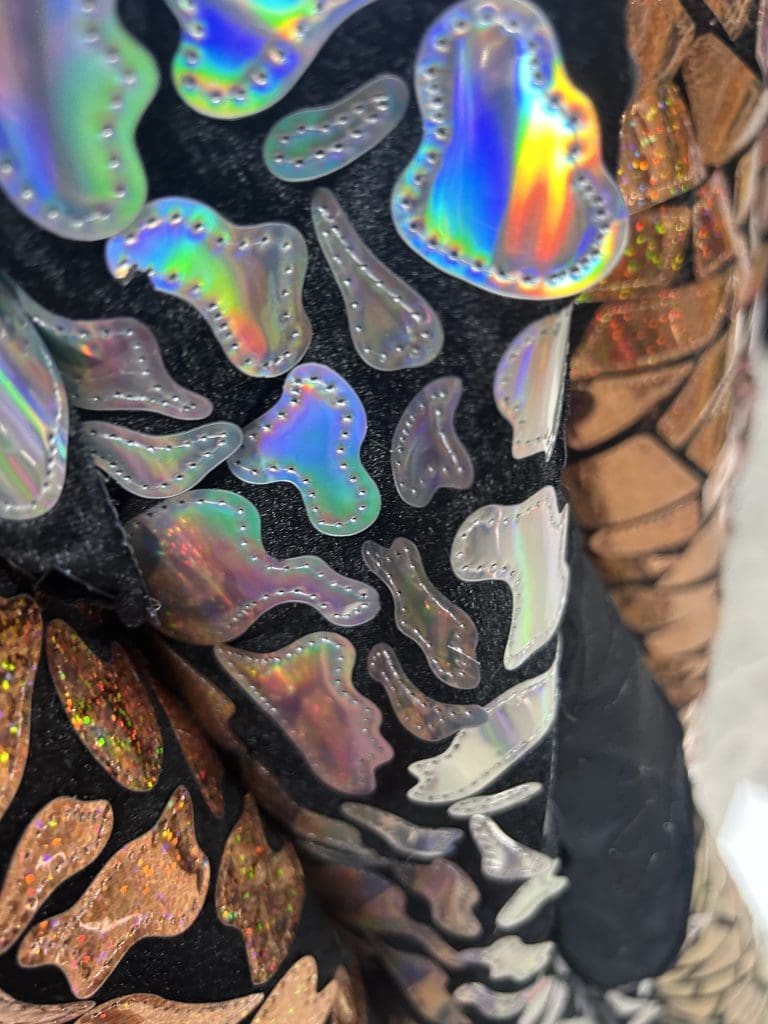
Specialty stretch fabrics, mesh, lace, sequins, fringe, appliqués, trims, rhinestones, and custom colors may need to be sourced. Availability, shipping, substitutions, and approval of alternatives can affect the schedule.

Measurement and Fittings
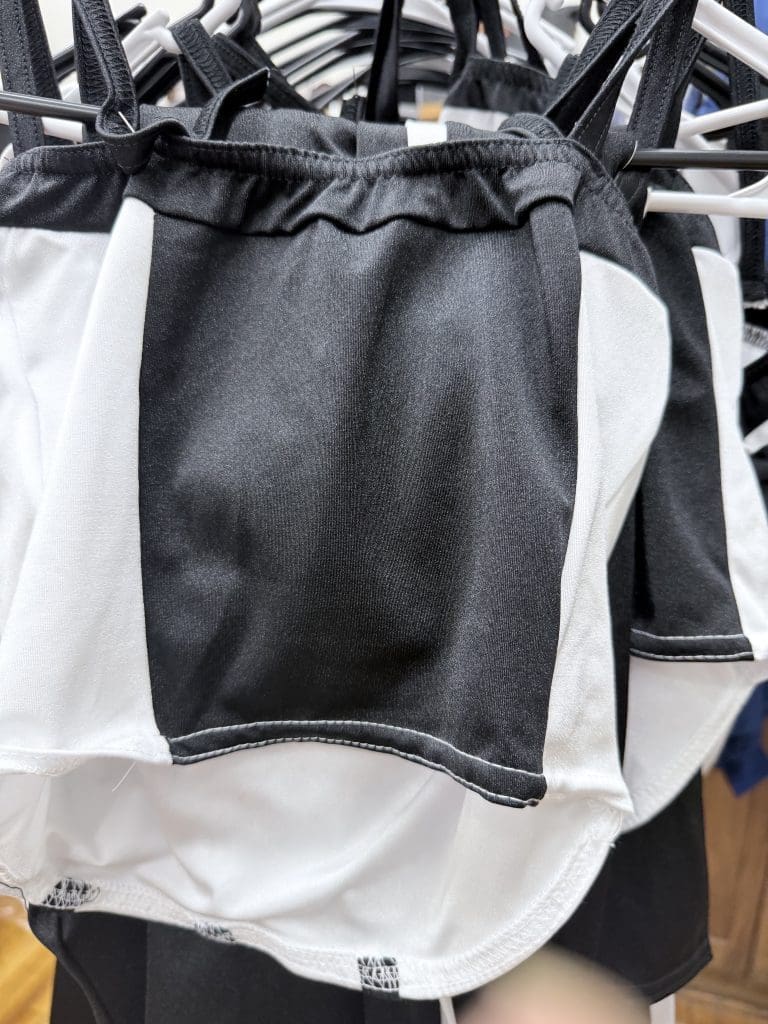
Accurate measurements are essential to a strong starting fit. Some projects may also require an in-person or virtual fitting, movement review, or adjustment. Delayed or incomplete measurements can reduce the time available for design and construction.
Learn how to prepare accurate dancewear measurements.
The Number of Garments
A solo costume and a coordinated team order require different levels of planning. Team projects involve multiple measurements, size ranges, repeated construction, consistent embellishment, approvals, and communication with a primary contact.
Custom team orders generally require a minimum of five garments using the same general design and colorway. Because coordination takes time, studios and teams should begin the conversation especially early—even if final rosters or every measurement are not yet available.
Client Decisions and Approvals
Timely decisions help protect the production plan. Changes to the design, quantity, materials, measurements, or deadline may require a revised quote or schedule. Prompt communication gives Sewn 2 Dance the best opportunity to evaluate those changes before work continues.

Current Availability
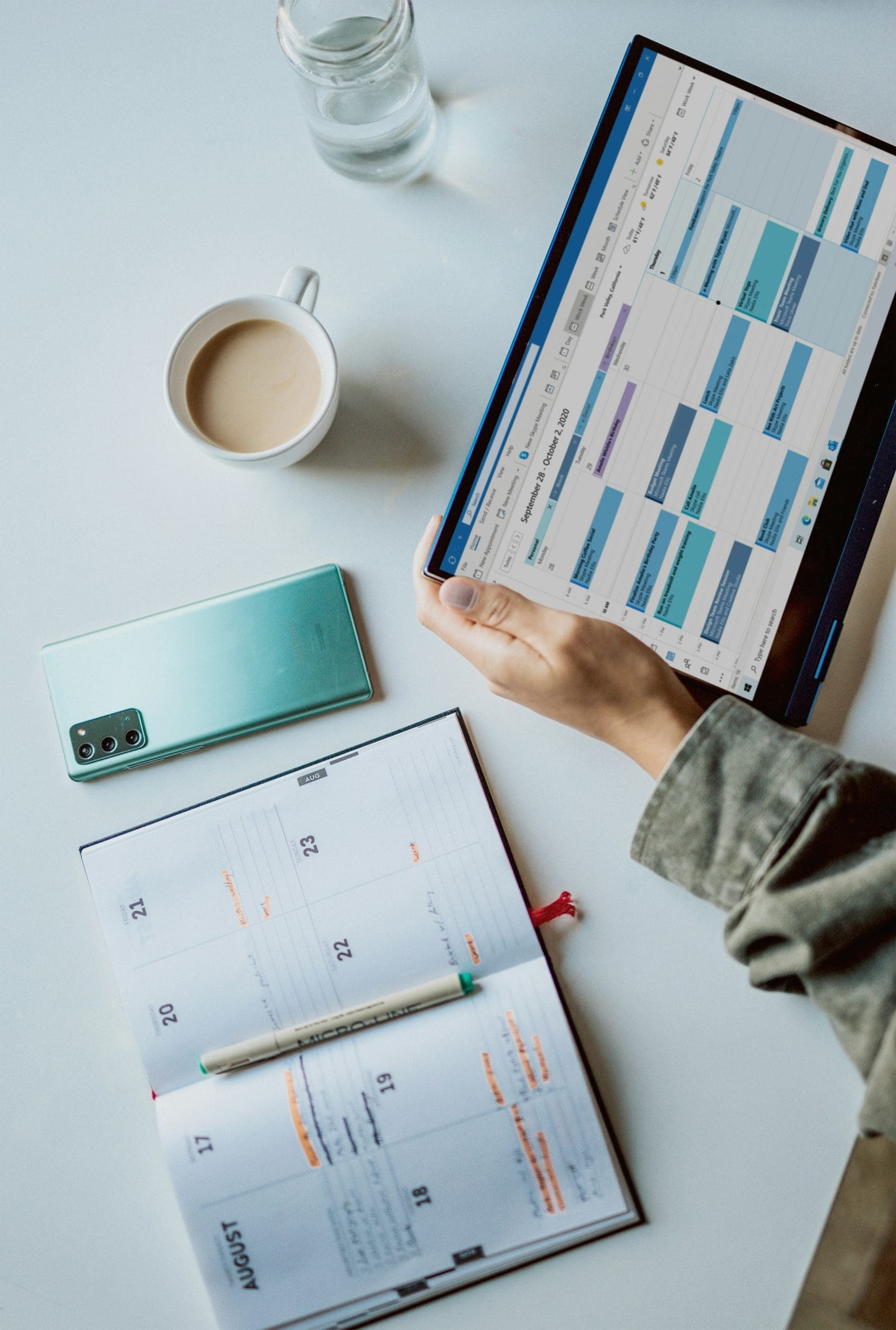
Custom work is scheduled around projects already in progress. Availability can change during busy competition, recital, school, and holiday seasons. Contacting Sewn 2 Dance early allows the deadline to be reviewed honestly before commitments are made.
Solo Costumes and Team Orders Need Different Planning
A solo project focuses on one performer, one design direction, and one set of fit requirements. There may be more opportunity to refine individual details, but the project can still involve original design, specialty materials, fittings, and hand-applied embellishments.
A team order requires consistency across several garments. The studio or team may need time to finalize quantities, collect measurements, review samples or design choices, communicate with families, and approve the full order before production can move forward.
You Can Reach Out Before Every Detail Is Decided
Waiting for a perfect design plan can use valuable preparation time. An early inquiry can begin with the information you already know:Performer, studio, school, or team nameProject type and estimated quantityEvent date and earliest required completion dateDance style, music, theme, or overall feelingPreferred colors, coverage, and movement needsCompetition, studio, school, or team requirementsInspiration images, garment photographs, or sketches, if availableWhether in-person or virtual fitting support may be neededA realistic budget range, if knownSewn 2 Dance can then determine what additional information is needed before recommending the next step.
Frequently Asked Questions Custom Timelines
Have a question?
We’ve compiled answers to our most common customer inquiries below. Explore these quick answers.
No. You can begin with your deadline, project type, quantity, general style, and inspiration. The initial discovery consultation can help clarify the project and possible next steps. It does not include completed sketches, patterns, detailed fabric sourcing, or other finished design work.
No. An inquiry allows Sewn 2 Dance to review the request. Acceptance, scope, timeline, and any required agreement or deposit must be confirmed before production time is reserved.
Team projects require coordination across multiple garments and people. Final quantities, measurements, sizing, design approvals, materials, consistent production, communication, and delivery planning can all add steps.
Rush requests are reviewed individually and depend on the design, materials, fitting needs, deadline, and current availability. Acceptance cannot be guaranteed. An approved rush project may include a rush fee disclosed before work begins.
Provide the performance or competition date and the earliest date the completed garment is actually needed. Include rehearsals, photographs, travel, team approval, or fitting needs that occur before the event.
What If the Performance Date Is Already Close?
You may still submit an inquiry. Sewn 2 Dance will review the deadline, project complexity, materials, fitting needs, and current availability before confirming whether the work can be accepted.
When a completely new custom garment is not realistic, an alteration, repair, or focused embellishment project may sometimes offer another path. This depends on the condition and construction of the existing garment and cannot be guaranteed without review.
Explore alterations and embellishments for dancewear.
An accepted rush project may include a rush fee based on its deadline, complexity, and current availability. Any rush fee will be disclosed and approved before work begins.
Written by Charmaine Regino, founder of Sewn 2 Dance, with more than 45 years of sewing, alteration, embellishment, and custom-garment experience. Meet the founder.
Begin the Conversation Early
Starting early does not require having every detail decided. It simply gives Sewn 2 Dance more opportunity to understand the project, review the deadline, and recommend a realistic next step.
Sewn 2 Dance is based in Sioux City, Iowa, serving the Siouxland area and reviewing custom performance-wear projects by inquiry.